A former colleague came into work one Monday carrying the energy of someone who had just read something dangerous.
He had. He’d spent the weekend on The 48 Laws of Power. By Tuesday he was speaking in calculated silences. By Thursday he’d stopped telling anyone what he was working on. By Friday his manager pulled him aside to ask if something was wrong at home.
He’d been practising Law 4. Say less than necessary.
The book isn’t useless. Several observations about status, timing and how insecurity moves through a room are sharp and recognisable. Robert Greene drew from courts, cardinal politics and Renaissance Italy: environments where information was genuinely scarce and leaving was either impossible or fatal.
You work in an office where WhatsApp exists and your ex-colleague already follows your new manager on LinkedIn.
Tactics are what people reach for when they have no position. The reaching is usually more visible than they think.
Three laws translate reasonably into Indian office reality.
Don’t publicly make your manager look incompetent. It returns, and the interest is high.
Stop talking after you’ve made your case. Most people oversell past the yes.
Let small imperfections show once your competence is clear. Perfection reads as performance.
The rest needs calibration. India’s professional circles are smaller than they appear. People move companies, compare notes, remember. A reputation for opacity travels faster here than a reputation for brilliance.
Pfeffer’s work on organisational power makes the uncomfortable point clearer: a sound decision changes little unless someone can mobilise support, resources and action behind it.
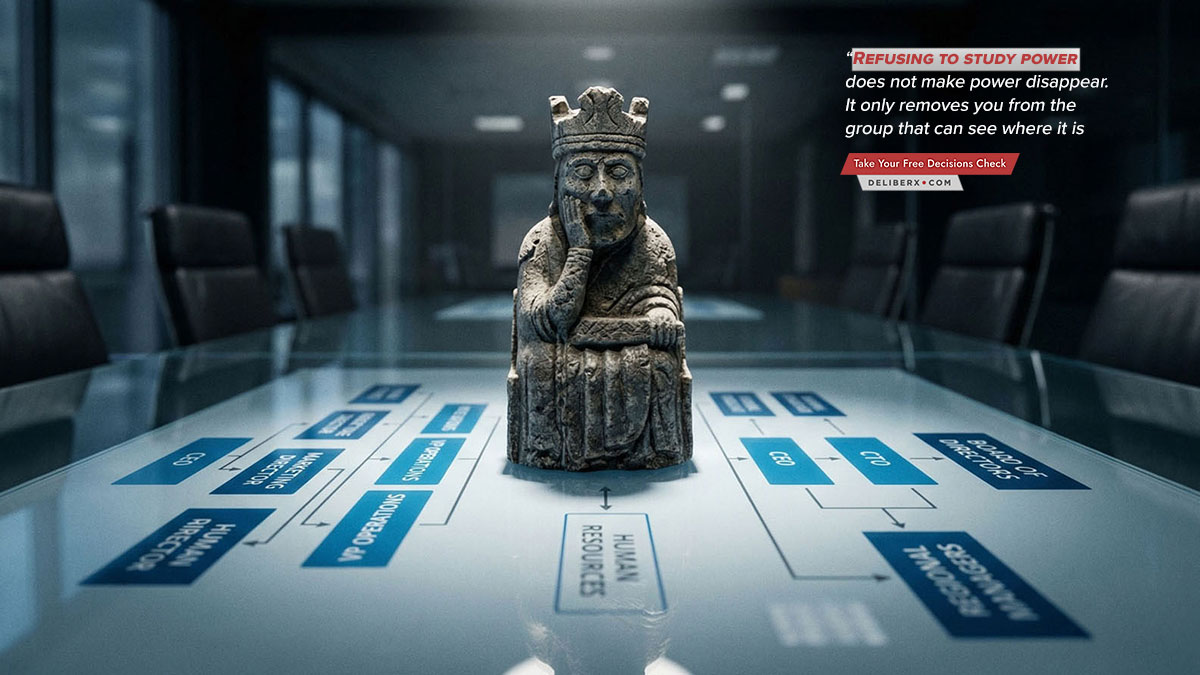
Refusing to study power does not make power disappear. It only removes you from the group that can see where it is moving.
A principled professional can therefore become more political without becoming less principled. Notice whose support is needed before a formal meeting. Watch which objections carry weight. Learn whose reputation gives an idea credibility and which stakeholder can quietly delay it. Build trust before you need a favour.
Political naivety is expensive because it creates surprise. You discover the blocker after the deadline, the alliance after the vote or the hidden concern after your proposal has lost momentum.
There are workplaces where these dynamics are mild and workplaces where they dominate everything. The answer is not cynicism.
It is to stop confusing being uninformed about power with being untouched by it.
Tactics cannot replace position. Understanding power does not require giving up your principles.
If blockers keep surprising you, look at where support and influence are really moving.
→ Play The Pressure Room: see how you decide under pressure